- "Green Energy, Infinite Energy"

Grid-connected Solar Electric Systems
Grid-Connected Solar Electric Systems in India: Cut Your Electricity Bill With On-Grid Solar
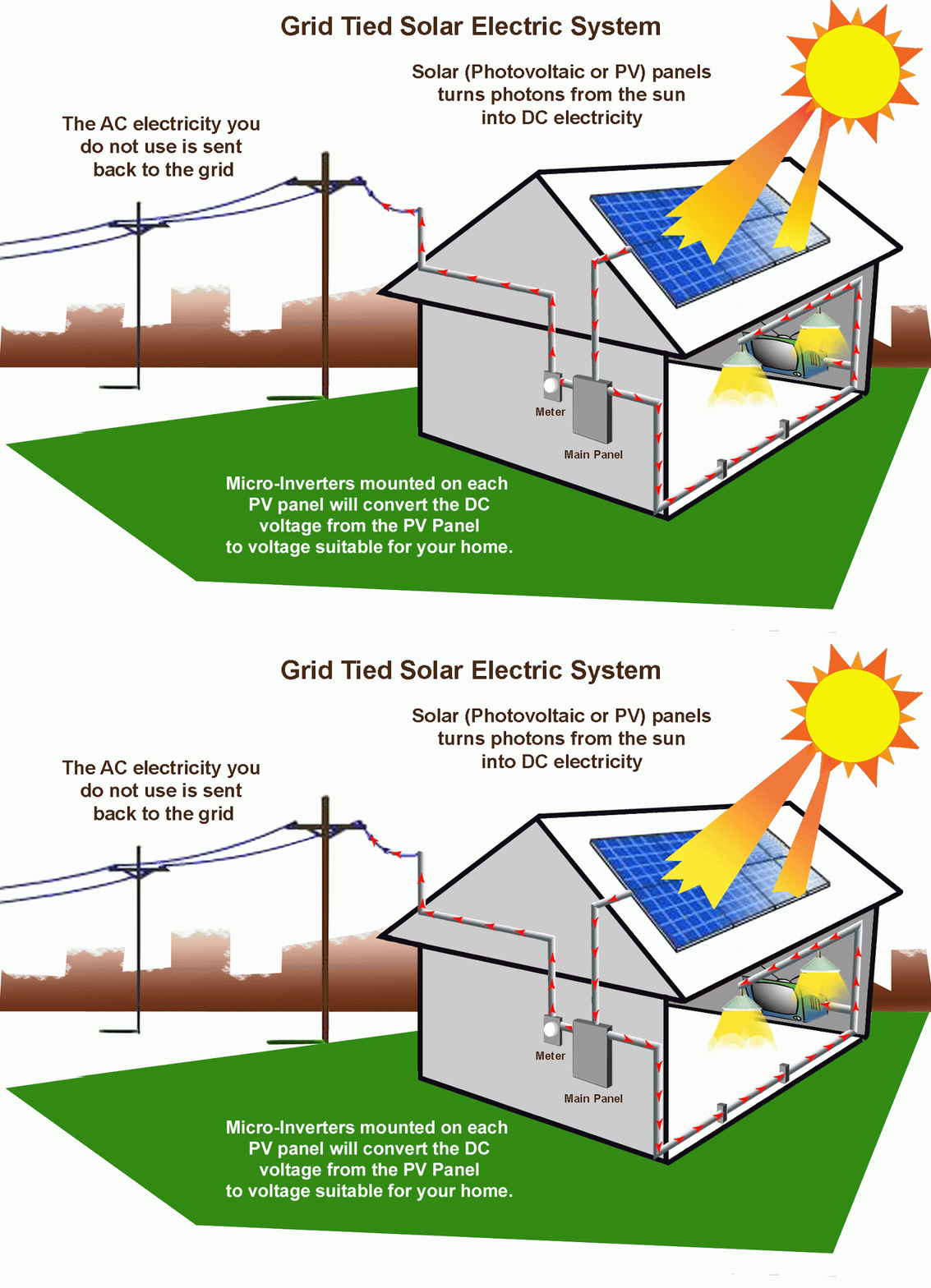
A grid-connected (on-grid) solar system is linked directly to the electricity grid. It powers your building from the sun by day, feeds extra electricity into the grid, and draws from the grid at night, with no batteries needed. Ashirwad Solar, a solar panel company in India based in Pune, designs, supplies and installs these systems.
These systems effectively create a micropower station and are connected directly into the electricity grid. They are normally found in urban areas, where power is readily available.
Get a Quote Call +91 99224 26936 WhatsApp
How a Grid-Connected Solar System Works
During the Day: Use and Share
Your panels generate electricity in daylight. Your building uses what it needs, and the excess is fed into the grid.
In the Evening and at Night: Import From the Grid
When the sun goes down, you import electricity from the grid as usual, so your power never stops.
The Grid Works Like Storage
Here the grid acts like a storage medium, and power is taken from it whenever it is needed. That is why these systems do not need batteries, which keeps cost and upkeep low.
Main Parts of a Grid-Connected System
| Part | What it does |
|---|---|
| Solar panels | Turn sunlight into DC electricity. |
| Grid-tie inverter | Converts DC to AC and syncs the system with the grid. |
| Mounting structure | Holds the panels safely on the roof or ground. |
| Meter | Measures units sent to and taken from the grid, where net metering applies. |
| Cables and protection | Connect the system and protect it and your building. |
| Monitoring | Shows how much power your plant generates. |
Benefits of Grid-Connected Solar
- Lower electricity bills: Every daytime unit you make is a unit you do not buy.
- No battery cost: The grid is your storage, so there is no battery to buy or replace.
- Simple and reliable: Fewer parts than a battery-based system.
- Net metering where available: Extra units you send to the grid can be adjusted against your bill.
- Easy to scale: You can start with the size you need and plan for more later.
Where Grid-Connected Solar Makes Sense
Homes and Housing Societies
In cities, a rooftop solar system connected to the grid is the most common way to cut a household or society electricity bill.
Shops, Offices and Hotels
Businesses use most of their power in the daytime, exactly when solar generates. Explore our commercial solar systems, and our team handles commercial solar installation from survey to commissioning.
Factories and Large Projects
Factories and warehouses have large roofs and steady daytime loads. See our industrial solar solutions. For design, supply, installation and maintenance under one contract, work with a solar EPC company in India like us.
Grid-Connected vs Off-Grid Solar
| Point | Grid-connected | Off-grid |
|---|---|---|
| Grid connection | Connected | None |
| Batteries | Usually not needed | Required |
| Upfront cost | Lower | Higher, because of batteries |
| During a grid power cut | Usually switches off, unless hybrid | Keeps running |
| Best for | Cities and areas with reliable grid power | Remote sites with no or poor grid |
If your area has frequent long outages, ask us about a hybrid system that adds batteries to a grid-connected setup.
Net Metering, Approvals and Subsidy
Net Metering and Grid Approval
Net metering and grid-connection rules are set by each state and its electricity distribution company (DISCOM), and they change from time to time. We prepare the documents, submit the application and coordinate with the DISCOM for your project.
Subsidy and Tax Benefits
The central PM Surya Ghar subsidy is meant for residential rooftop systems and eligible housing societies. Commercial and industrial projects usually benefit through lower power bills and tax provisions such as accelerated depreciation. Please confirm current rules with your tax advisor.
How to Choose the Right System Size
- Check your electricity bill: Your monthly units are the starting point.
- Check your sanctioned load: Your DISCOM connection can limit the system size.
- Measure shade-free roof area: Trees, tanks and nearby buildings reduce output.
- Pick the right panel: Limited space favours high-efficiency panels such as MonoPERC.
- Set a budget: We compare total system cost and savings, not just the panel price.
Installation and After-Sales Support
Good installation decides how well a system performs for years. Our team handles site survey, design, installation, commissioning, net-metering support and service. Learn more about our solar panel installation services.
Why Buy From Ashirwad Solar
We have worked in solar since 2007 and run our own factory unit in Gogalwadi, Haveli, Pune. You get direct advice, honest sizing and one company responsible for supply, installation and service.
Frequently Asked Questions
What is a grid-connected solar system?
A grid-connected (on-grid) solar system is connected directly to the electricity grid. It acts like a small power station: it uses the solar power it makes during the day, feeds any extra into the grid, and draws power from the grid in the evening and at night.
Do grid-connected solar systems need batteries?
No. The grid acts like a storage medium, so power is taken from it whenever your solar output is not enough. This keeps the system simpler and lower in cost than a battery-based system.
How does a grid-connected solar system reduce my electricity bill?
Every unit your panels make during the day is a unit you do not buy from the grid. Where net metering is available, extra units you send to the grid are adjusted against what you take back, which lowers your bill further.
Will my solar system work during a power cut?
A standard grid-connected system usually switches off when the grid goes down, for safety. If you want power during outages, ask us about a hybrid system with batteries.
Is net metering available for my project?
Net metering and grid-connection rules are set by each state and its electricity distribution company (DISCOM), and they change from time to time. We prepare the documents and coordinate the application for your project.
Do commercial solar projects get the PM Surya Ghar subsidy?
No. The central PM Surya Ghar subsidy is meant for residential rooftop systems and eligible housing societies. Commercial and industrial projects usually benefit through lower power bills and tax provisions such as accelerated depreciation. Please confirm current rules with your tax advisor.
What is the difference between grid-connected and off-grid solar?
A grid-connected system works together with the grid and normally has no batteries. An off-grid system works on its own with batteries and has no grid connection. Grid-connected suits areas with reliable grid power, such as most cities.
How do I choose the right system size?
The right size depends on your monthly electricity units, your sanctioned load, shade-free roof area and budget. Share your last electricity bill and we will suggest the right size.
Do you supply and install grid-connected solar systems?
Yes. Ashirwad Solar supplies the equipment and handles design, installation, commissioning, net-metering support and after-sales service. Call +91 99224 26936 or use the form on this page for a free quote.
Get a Quote for a Grid-Connected Solar System
Tell us your city, monthly electricity bill and roof area. We will suggest the right size and send a quote. You can also call +91 99224 26936.